https://careersbu.careercentre.me/resources/careerassessments
Below are the results of 7 career assessment tests I took part in. Whilst it took a while for me to fully understand them, it is more than worth it to understand myself, especially as I'm progressing at my first job as of last week.
Learning Styles Test

The results of my learning style test show that I am an extremely motivated and adaptable learner. I received a great score of 94, which shows that I can learn useful things from a lot of various places and situations. The theory looks at four main ways that people learn: Active Changer, Reflective Realist, Quietly Creative, and Pragmatic Doer. It suggests that putting them all together will help you learn more. Most people fit into one or two groups naturally, but I scored quite high as an Active Changer (4/5). This suggests that I do well when I try new things, look for new challenges, and go beyond what I'm used to. I like to learn by doing things, being a part of things, and trying new things. I like to try new things and learn new things. For example, I might chat to new people, change my routine, or blend various strategies to find new answers. I also scored well on the other three styles: Reflective Realist, Quietly Creative, and Pragmatic Doer (3/5 each). This means that I need to find a way to match my urge to learn through hands-on activities with more structured, thinking, visionary, and practical techniques. You need to spend more time thinking about what you've done, looking into established ideas, thinking carefully, and putting proven techniques into practice to improve these areas. It's a great idea to keep a reflective journal, read books that make you think, look up to strong role models, make plans, and receive professional advice. These insights also show that I can keep growing and make the most of every learning opportunity by adding action with reflection, creativity with logic, and curiosity with structure to my natural strengths of learning by doing and coming up with new ideas.
Assertiveness Test

The results of my assertiveness test show that I'm not overly passive or too aggressive. I can be brave enough to say what I need and what I think in some situations, but not all of the time. You need to find the appropriate balance between being passive and aggressive to be assertive. You should also speak plainly and respectfully and think about what other people want. I can sometimes plainly and calmly say what I want without putting down other people's points of view. But there are moments when I hold back, hesitate, or put other people's feelings before my own. This makes me feel like I'm stuck. When others push my limitations too far, it makes me angry and upset. It's crucial to know this about yourself: knowing what makes you hesitate to say what you think and what makes you react more forcefully can help you become a more consistent and balanced communicator. To be more assertive, I should try saying simple "I" statements without going into too much explanation or saying sorry. Before I say what I think, I should also respect what other people think. I should also remember that I have the same rights to my feelings, choices, and limits as everyone else. It's also important to say what you need early on so that feelings don't get hurt, and to pay attention to how comfortable other people are when things get heated. When I focus on communication that works for both sides, I can have better relationships, avoid fights, and say what I mean clearly and with confidence. I can keep making my powerful voice better by using these tips all the time. It will stay calm, polite, and steady even when things go tough.
Customer Focus Test

My customer focus score of 92 shows that I am very good at recognising and addressing the needs of both internal and external customers. This shows that I know how to make consumers happy and how to give exceptional service. I get along with people and make friends easily. I make sure I fully understand what is expected of me by taking the time to listen closely, ask good questions, and make sure I know what is expected of me. I am in charge of making sure that the service experience is of the highest quality, and I do everything I can to get rid of obstacles and problems that might get in the way of finding a solution. This style of thinking forward helps not just one consumer, but the whole firm. Even though I already do a good job at dealing with consumers, I still need to improve on being more understanding and seeing things from more than just the customer's point of view. This means looking for methods to add value in the short and long term, thinking about what the customer could need in the future, and coming up with fresh ideas or solutions that serve both the client and the company. By being proactive and thinking forward, I can keep ahead of challenges. This makes me feel like my support is more considered and planned than merely responding to situations. These guidelines are for both internal and external connections. People who listen, understand, and constantly do more than is asked of them are admired by their bosses and coworkers. I can keep my focus on the client and make a good effect for both the customers and the organisation as a whole by continuing to improve my communication skills, pushing myself to come up with new and well-thought-out ways to do things, and keeping committed to giving excellent service.
Sound Decision-Making Test

My score of 85 in strong decision-making shows that I have a decent base for making sensible and well-thought-out choices. It also shows that I can make choices more often and with more confidence. This answer makes it sound like I usually utilise logic and facts instead of just going with my gut or feelings when I make decisions. I weigh the pros and disadvantages, look at the facts, and then act. This helps me make good decisions. But to make my method even better, I need to be more careful about the information I collect and look for any biases or holes in the data that could influence the outcome. Getting other people's opinions is really essential because it can help you notice things you might have missed and provide you new ideas and possible answers. I can make better decisions by using more organised methods, such coming up with more than one option and using formal evaluation frameworks. For example, you could use a comparison matrix or a weighted scoring system to assist you choose the best option for your needs and goals. Also, don't get stuck in "analysis paralysis," which is when you ponder too much and don't do anything, which slows down progress. You can make smart and quick choices if you discover the perfect balance between doing a lot of research and acting quickly. It's important to say why a decision was made and what has to be done to make it happen. This makes it easier for people to trust each other, work together, and take responsibility. Writing down the processes you took to make your choice makes it easier to explain and keep learning. My score demonstrates that I can usually think clearly and make judgements thoughtfully. If I cooperate with others and plan things out better, I can keep getting better at making decisions and feeling more sure of them.
Personality Insight (Big Five Model) Test
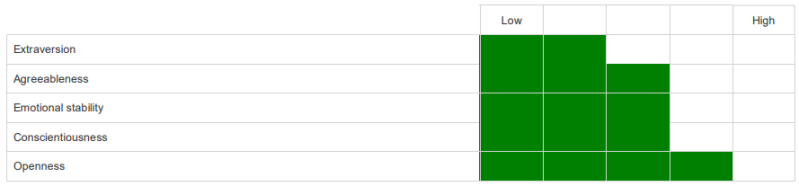
My Big Five personality insight shows how my traits affect my thinking, work ethic, and relationships. This suggests that there is no "correct" personality, but rather that different traits work in different situations. My 2/5 Extraversion score indicates I'm more introverted. I don't like constant company. Working alone and thinking quietly energises me. My decision makes me best in jobs where I can think and work alone. However, I understand how important it is to speak up in groups and be ready to do so when interviewed or working with others. A 3 out of 5 on Agreeableness suggests I get along with others. I enjoy working with others and getting along with them, but I also don't mind disagreeing when necessary. This improves leadership and teamwork. I scored 3 out of 5 for Emotional Stability, meaning I can handle stress and emotions well. However, stress may throw that balance off, so knowing yourself and being ready for anything is crucial when the stakes are high. My 3 out of 5 Conscientiousness score says I can operate adaptably and effectively. I can focus on my goals without worrying about perfection. I can choose without being addicted. This balance is appropriate for jobs that require independence and order. It could also indicate more order and stability. Finally, my high Openness score (4/5) indicates that I am creative, open-minded, and willing to learn and grow. This means I'm suitable for settings that change and accept new ideas and learning. This profile involves being intelligent and autonomous, working well with people, being aware of your feelings, changing your work, and coming up with new ideas. Balance helps people succeed in many vocations and situations.
Personal Resilience Test
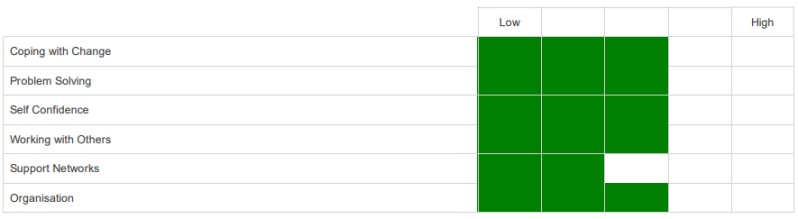
My resilience profile shows that I can typically get over issues. But I need help with my stress, self-esteem, and asking for aid. You handle change well, but stress can get in the way of your work. You have to identify stress early and ask for help if you want it. You might also perceive change as an opportunity and prepare for it in a practical way. You can fix things sometimes. You might not be able to move forward due of troubles or fear of the unknown, but you'll be able to deal with them after you become used to them. To build self-trust, you need to practise, seek for patterns, and break problems down. Self-confidence is in the centre. This suggests that you are sure of yourself in certain situations but not all of them. Trying new activities, changing how you talk to yourself when you're down, and getting excellent feedback can all help you feel more sure of yourself. Usually, working together is great, but sometimes it can be hard. Listening carefully, showing empathy, setting clear limits, and being strict can help you deal with social stress and make friends. You can feel alone and terrified because you don't use your support networks. To stay strong, you need to know what support is available, ask for it, and spend time with healthy people. Things are fine, but they could be better. Use realistic tools, create a weekly work record, and set clear goals to make the most of your time. Being organised shouldn't stop you from getting things done. These medium scores show that you have an excellent starting point for dealing with situations and getting better. You can handle stress and do well in stressful situations, though, if you establish your support network on purpose, focus on your problem-solving abilities, boost your confidence with tiny wins, and see change as a chance to get better.
Motivation at Work Test
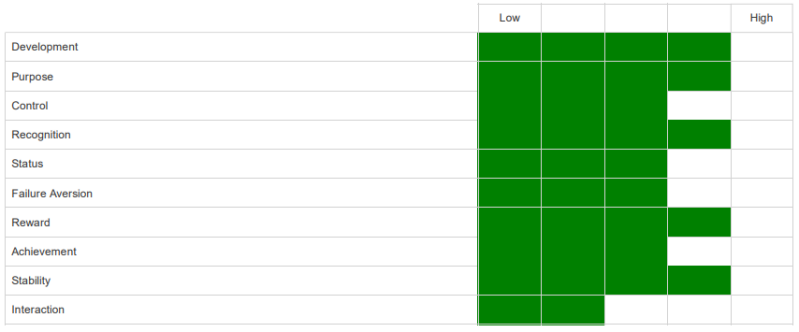
I work hard because I want to grow, have a profession that fits with my values, and gain the stability, recognition, and rewards that are important to me. This profile has a lot to say about safety, morality, and growth throughout time. I like to be in places where I can learn, grow, and challenge myself because I want to grow. I'm most driven when I can see how far I've come, ask for help, and look for new challenges and information that will help me continue forward. I need a goal too. I am driven when my work is in line with my values and makes the world a better place. I also want to go to areas where honesty, fairness, and making the world a better place are really important. This is also something I do to keep things from getting out of hand. I perform my best work when I know what to expect from my job, how things will progress, and what will happen next. I want people to notice me. I want to keep doing well so that everyone can see how hard I work. I also like comments and situations that show appreciation for hard effort and gratitude. When I think my hard effort will pay off, I do it, especially when the rewards are fair and help me attain my goals. I change because I want to be in command, do well, and not fail. I don't need power, position, or competition to motivate me, and I'm not frightened of or avoid failing. I stay on the correct path. For me, talking to other people is the least motivating thing. When I have some independence, time to think, and a well-organised team, I do my best work. I want to go to places where I can learn, make a difference, be respected, work with a clear purpose, and do well on my own.